
Loading...
Serving Artesia, CA and surrounding areas. (562) 625-1349
Cracked bricks, crumbling mortar, and spalling surfaces are not just cosmetic. Left alone, they let water in and the repair cost grows fast. We fix it right the first time.
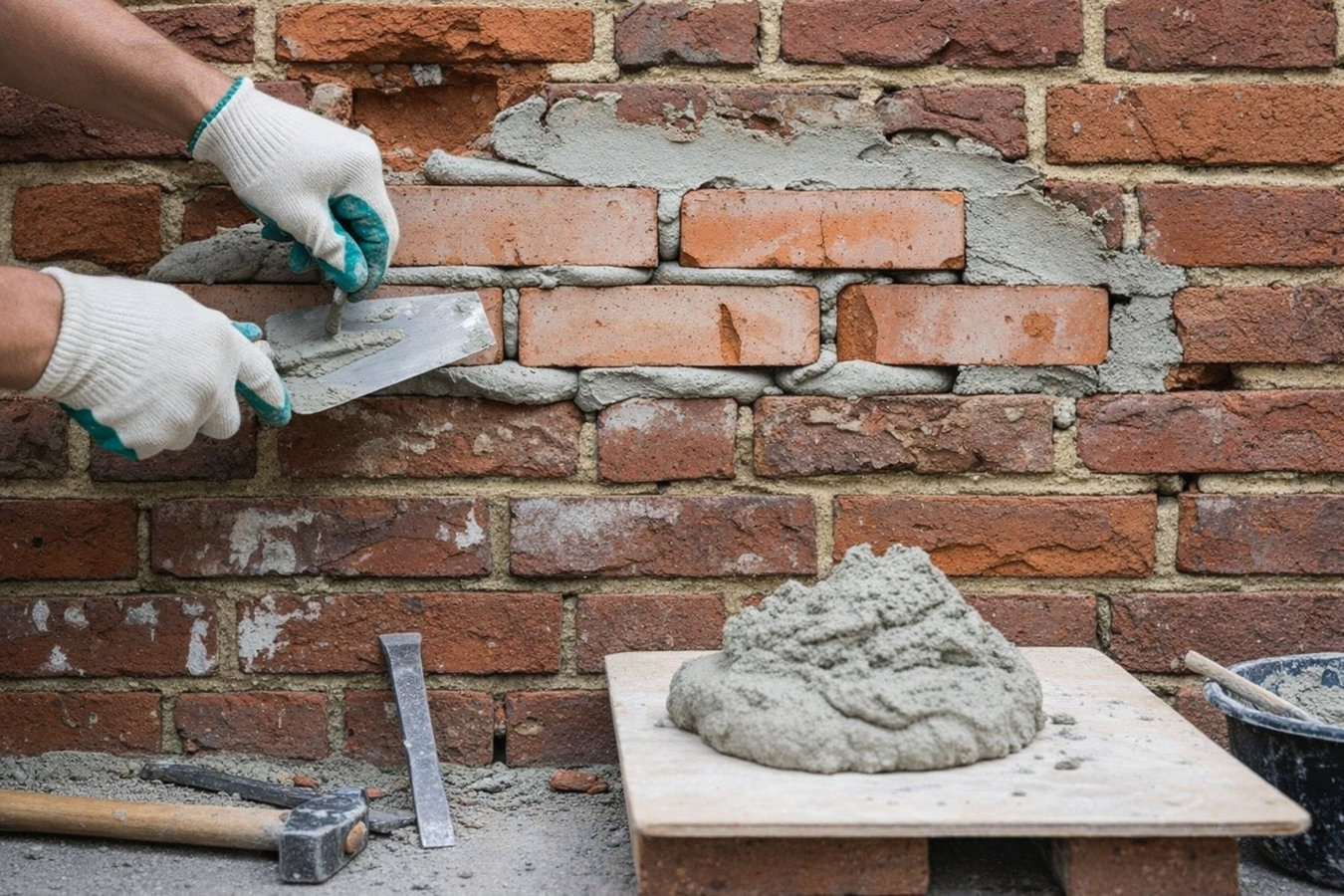
Brick repair in Artesia covers replacing cracked or spalled bricks, refilling deteriorated mortar joints, and stabilizing sections of wall that have shifted - most focused jobs are finished in one to two days and stop the water intrusion before it causes damage behind the wall.
Mortar is designed to be the weak link in a masonry wall on purpose - it absorbs stress and movement so the bricks themselves do not crack. When it fails, water gets in, and that is when the real damage starts. The good news is that catching the problem early almost always costs less than waiting. If the mortar across a larger section has deteriorated - not just around a few individual bricks - you may need tuckpointing rather than spot repairs alone.
A trustworthy contractor will walk you through exactly what they found during the estimate visit and tell you honestly which type of repair your wall needs - and which it does not. You should never be talked into more work than the condition calls for.
Run your finger along the mortar lines between your bricks. If the mortar feels soft, sandy, or breaks away with light pressure, it is past its useful life. This is especially common in Artesia homes built in the 1950s and 1960s, where the original mortar has simply reached the end of its lifespan.
Cracks that zigzag diagonally across your brick wall - following the mortar joints in a stair-step pattern - signal that the wall has been moving. In Artesia, this often traces back to the clay-heavy soils shifting with seasonal moisture changes or minor seismic activity. A mason should look at it sooner rather than later.
When the surface of a brick starts to flake off in layers or develops a pitted, rough texture, the brick itself is breaking down. Once a brick starts spalling like this, it will not stop on its own - and a damaged brick lets in far more water than a deteriorated mortar joint.
Look where your brick wall meets a window frame, door frame, or concrete foundation. If you can see a gap - even a small one - water is getting in every time it rains or sprinklers run. In Artesia's older homes, these gaps open gradually as the structure settles and are easy to miss until the damage behind them is significant.
Our brick repair work ranges from replacing a handful of spalled or cracked bricks to addressing larger sections of failing masonry on Artesia homes that have been quietly deteriorating for years. We handle the full picture: removing damaged bricks, sourcing replacement material that matches the original as closely as possible, and packing in new mortar that is appropriate for the age and type of your wall. Color matching matters here - a repaired section that looks obviously patchy defeats the purpose. We assess the existing brick and mortar color before we start so the finished result blends in. For situations where the joints across a larger area have deteriorated, we also offer tuckpointing as the appropriate scope of work.
We also work on brick surfaces adjacent to driveways, walkways, and patios. If cracked or heaving concrete near your home is creating gaps where brick meets a slab, fixing the masonry alone may not solve the root cause. In those cases, we will be upfront about whether your situation calls for additional work like driveway pavers or slab work alongside the brick repair, so you can make an informed decision before anything starts.
Best for walls where a limited number of bricks have cracked, spalled, or been damaged by impact or moisture intrusion.
Right for sections where the mortar has receded or crumbled but the bricks themselves are still in good condition.
Addresses the water entry points causing surface staining, not just the stain itself - so the problem does not come back next season.
Suited to older Artesia homes where the wall has pulled away from a window frame, door frame, or adjacent concrete surface over time.
Artesia is a small, densely built city where most homes date from the 1950s and 1960s - and 50 to 70 years of weathering has had its effect on the masonry. The clay-heavy soils across the Los Angeles Basin expand when wet and shrink when dry, and that constant seasonal movement puts stress on masonry foundations and walls from below. It is one of the main reasons stair-step cracks appear even in homes that have never experienced a major earthquake. A mason familiar with local soil conditions factors this into how they approach the repair, choosing materials and techniques that account for ongoing movement rather than just filling what is visible today. Homeowners in Compton and Downey deal with the same soil and seismic conditions and often have the same pattern of masonry wear.
Southern California also allows brick repair to be scheduled year-round - there is no freeze-thaw cycle to work around - but summer heat in the San Gabriel Valley corridor can cause fresh mortar to cure too quickly and crack before it reaches full strength. Spring and fall are the best windows, though we take steps in any season to protect fresh mortar from curing too fast in high heat. If your home is in an HOA-governed development, check whether exterior masonry repairs require written approval before scheduling work. We can help you prepare the request if needed.
We respond within 1 business day. We will ask where the damage is, roughly how large the area is, and how long you have noticed the problem - so we come to the estimate prepared.
We walk the damaged area with you, look at the bricks and mortar up close, and check for signs of deeper structural issues. You get a written estimate before anything is agreed to. This visit is free and there is no obligation to hire us.
The crew sets up near the wall and gets to work - grinding out old mortar, removing and replacing damaged bricks, or both. Expect some noise and a small amount of dust near the work area. The job typically runs one to two days for focused repairs.
We clean the staging area, then walk the finished repair with you. We point out exactly what was done, what to watch for going forward, and how long the curing window is. Fresh mortar needs 24 to 48 hours away from water to set properly.
Free written estimate. No obligation. We respond within 1 business day.
(562) 625-1349We give you a written breakdown of scope and cost before a single brick is touched. No verbal-only quotes, no surprise charges after the job is done. You know exactly what you are agreeing to before work begins.
Artesia's clay-heavy soils and proximity to active fault systems mean brick repairs here need to account for ongoing ground movement. We choose materials and techniques that hold up under those conditions - not just the visible damage in front of us.
California requires any contractor doing masonry work for more than $500 to hold a valid CSLB license. We do, and you can verify it. Ask any contractor you consider for their license number and look it up at the CSLB website before signing anything.
Tips for hiring a contractorA brick repair that looks patchy or mismatched for years is not a good repair. We assess the existing brick and mortar color before mixing anything and use sample testing where needed. Your home's exterior should look cared for, not obviously patched.
Brick repair in Artesia is not just about patching what is visible. It is about understanding what caused the damage and addressing it in a way that holds up to the clay soils, seismic activity, and concentrated winter rains that are part of life in this area. That is what we focus on with every job.
Full mortar joint removal and repacking across a wall section - the right solution when joints are failing across a large area rather than at individual bricks.
Learn MoreReplace or upgrade cracked concrete driveways with long-lasting paver systems that handle Artesia's clay-soil movement better than poured concrete.
Learn MoreFree brick repair estimate in Artesia. We respond within 1 business day and schedule quickly before the rainy season.