Loading...
Serving Artesia, CA and surrounding areas. (562) 625-1349
Failing mortar lets water into your walls and damages the bricks behind it. We grind out the old material and pack in fresh mortar that lasts for decades.
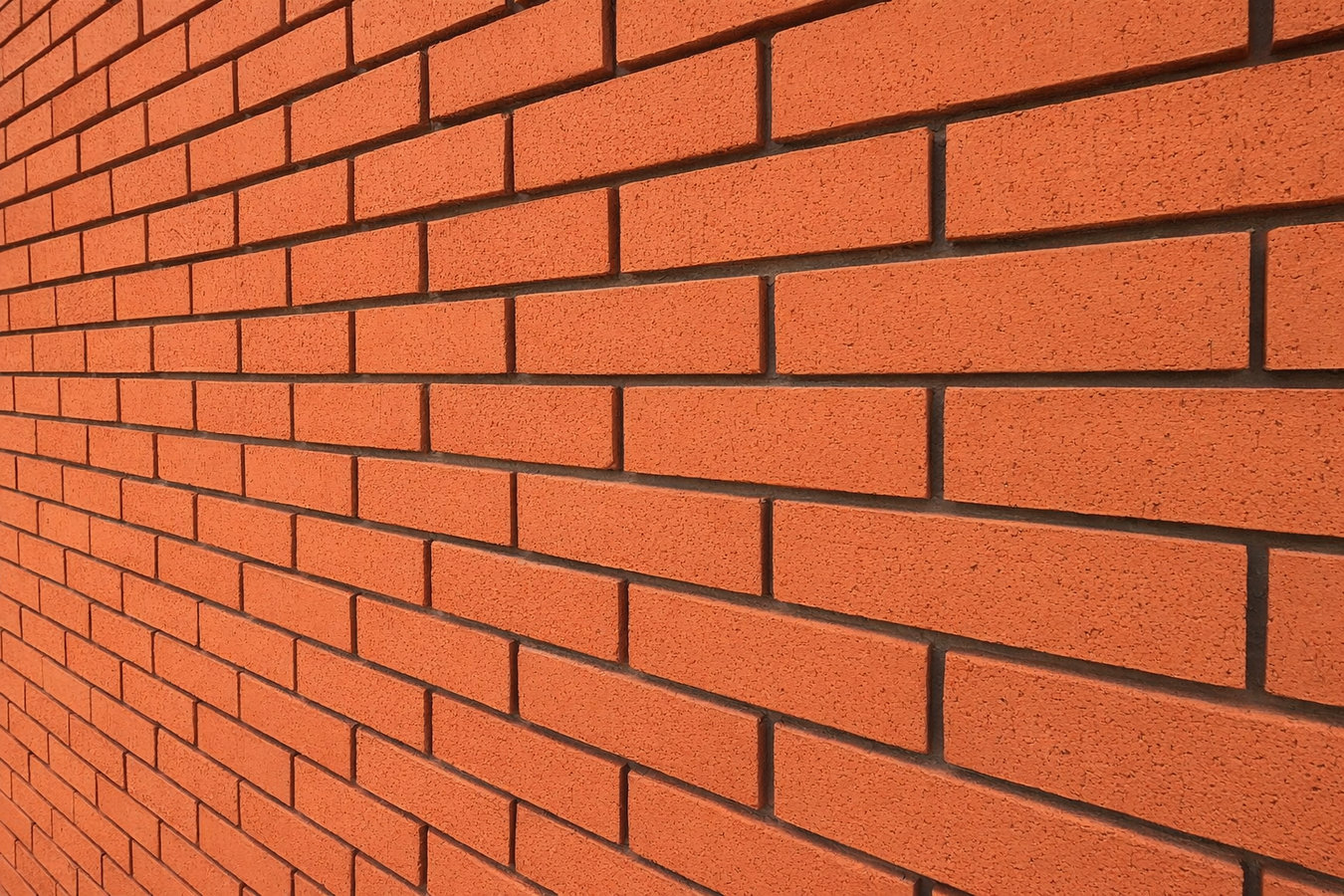
Tuckpointing in Artesia means cutting out the crumbling mortar between your bricks and pressing in fresh material - most jobs on a single-family home finish in one to three days and immediately close the water pathways that failing joints create.
Many Artesia homes were built in the 1950s and 1960s, and the original mortar has simply reached the end of its useful life. Those thin lines between your bricks are doing a real job - keeping moisture out and holding the wall together. When they start to fail, water gets in, and water inside a masonry wall causes damage that costs far more to fix than a tuckpointing job. If you have also noticed that individual bricks are flaking or cracking, that is a sign you may also need brick repair alongside the mortar work.
The good news: catching failing joints early is one of the most cost-effective things you can do for a masonry home. A small tuckpointing job done now can prevent a much larger repair bill later.
Stand back from your wall and look at the thin lines of material between each brick. If those lines look sandy, crumbly, or recessed more than a quarter inch, your mortar is failing. This is the clearest sign that tuckpointing is overdue.
A chalky white residue on brick - called efflorescence - is a sign that water is moving through your wall. In Artesia, where winter rains follow long dry periods, this pattern is common on homes with aging mortar. It means moisture is already getting in.
Much of Artesia's housing stock dates from this era, and mortar from that period has a natural lifespan. If your home is in this age range and you have no record of tuckpointing work, the joints may be at or past the end of their useful life - even if they look okay from a distance.
The LA area experiences frequent minor seismic events. Even small tremors open hairline cracks in mortar joints over time. If you noticed new cracking after recent shaking, do not wait - small cracks in mortar are quick and affordable to fix, but left open through a rainy season they become a much larger problem.
Our tuckpointing work covers everything from spot repairs on a single wall to full-perimeter treatment on older Artesia homes that have never had the joints touched. We start every job by assessing the existing mortar - checking its hardness, color, and depth - before we mix anything. That matters because using the wrong mortar type in a 1960s home can actually crack the original bricks, which is the last thing anyone wants. We also handle brick repair when individual units have spalled or cracked beyond what tuckpointing alone can address.
For chimneys, parapet walls, and garden walls, we bring the same mortar-matching approach but adjust our process for the access and height involved. Related work like brick pointing - targeted joint repair on smaller sections - is also available when a full tuckpointing treatment is more than the job needs. After the work is done, we walk every job with you so you can see exactly what was repaired and know what to watch for going forward.
Best for homes where mortar joints across a large section or the entire exterior have reached the end of their lifespan.
Ideal when damage is limited to a specific wall face, chimney stack, or a section affected by water or seismic movement.
Addresses the mortar joints on chimney stacks and crowns, where exposure and access make deterioration happen faster.
Suited to homeowners where curb appeal matters and the finished joints need to blend with decades-old original masonry.
Artesia was largely built out between the 1950s and 1970s, and much of its brick veneer and concrete block masonry is now 50 to 70 years old. The mortar from that era - often lime-heavy and softer than modern mixes - weathers differently, and a contractor who works regularly in southeast Los Angeles County will know how to match and repair it without damaging original brickwork. Southern California's climate adds to the pressure: intense UV exposure through the long dry season dries and erodes surface mortar, and then winter rains arrive in concentrated bursts that push water through any joint that has started to open. Getting joints sealed before November is the most effective way to protect your home. Homeowners in Cerritos and Norwalk face the same combination of older housing stock and Southern California weather patterns.
The greater Los Angeles area also sits in one of the most seismically active regions in the country. Even minor earthquakes - the kind you barely feel - can open hairline cracks in mortar joints over time. And parts of Artesia sit in lower-lying areas where drainage after heavy rain is slow, which means water hangs around longer near masonry foundations and exterior walls. These are not distant risks. They are the everyday conditions that make tuckpointing a practical, necessary part of maintaining a home in this area.
We respond within 1 business day. We will ask a few basic questions - what type of masonry, how much area, and whether you have spotted any specific damage - so we can come prepared.
We walk the property with you, inspect the joints up close, and check for signs of water damage or structural movement. You get a written estimate before any work is agreed to - no verbal-only quotes.
The crew cuts out the deteriorated mortar to a consistent depth, cleans the joints, then packs in fresh mortar matched to your wall. Expect some grinding noise - it is the noisiest part and also the most important one.
Before we leave, we walk the finished work with you. Fresh mortar needs 24 to 48 hours away from water to set, and we will explain any care steps before we go.
Free estimate. No pressure. We respond within 1 business day.
(562) 625-1349Many Artesia homes have decades-old mortar with a specific hardness and color. We assess your existing material before mixing anything, because using a mortar that is too hard for older bricks causes cracking over time. We take that step seriously so the repair lasts.
Most homes in Artesia were built between the 1950s and 1970s - and we have worked on a lot of them. That experience with postwar masonry construction means we recognize the failure patterns specific to this area's homes and address the cause, not just the visible damage.
Any contractor doing masonry work in California for more than $500 must hold a valid license from the California Contractors State License Board. We do. You can verify any contractor's license at the CSLB website before hiring anyone.
Verify a CSLB licenseWe do not just fix the cracks we can see. We look for the pattern of damage that seismic movement and seasonal moisture leave behind - which is different from random settling - so you are not left with hidden entry points that show up as water damage next winter.
These are not abstract selling points. They are the specific things that make tuckpointing work last in Artesia's climate and housing conditions. When you call us, you get a contractor who has thought through what your home actually needs.
When bricks themselves are cracked, spalled, or missing, we replace them and restore the wall so it looks right and holds up.
Learn MoreTargeted joint repair for sections where mortar has receded or fallen out without needing a full tuckpointing treatment.
Learn MoreGet a free tuckpointing estimate in Artesia. We respond within 1 business day and schedule quickly.